
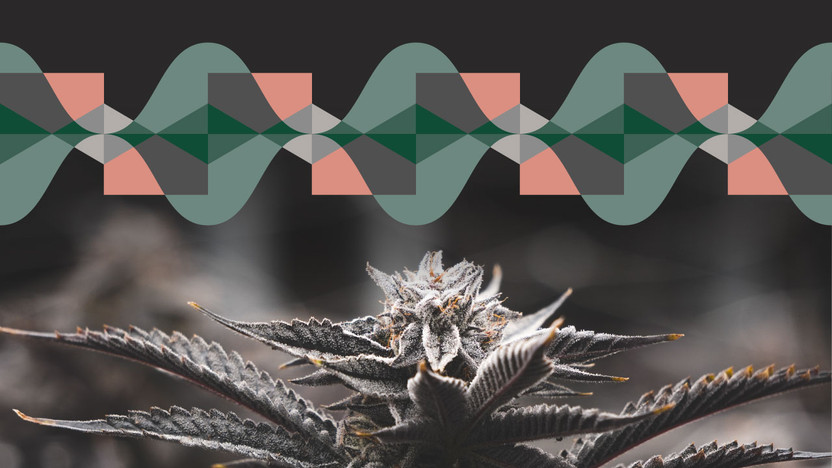
THCA Flower: Why Terpenes Matter as Much as THCA Levels - and How They Complete the Experience
15th Jan 2026
Cannabis is more than a single number on a label. While THCA (tetrahydrocannabinolic acid) often gets attention for its qualities, terpenes shape aroma, flavor and how a product is experienced.
This piece breaks down why terpenes matter in THCA flower; from their chemistry and the entourage effect to grower practices that preserve them and how to read terpene data in lab reports.
Armed with that knowledge, you can choose flower that delivers a fuller, more predictable experience, moving beyond simple potency metrics to appreciate the plant's holistic potential.
Key Takeaways
- Terpenes are organic hydrocarbons produced in trichomes that define a strain's unique aroma, flavor, and physiological effects.
- The "entourage effect", or as we call it, the “Symphony Effect”, is the synergy between THCA and terpenes that creates a more balanced and effective experience than isolated cannabinoids.
- Terpenes like myrcene may increase cell membrane and blood-brain barrier permeability, potentially allowing THC to reach receptors more effectively.
- Growers use "pheno-hunting" and environmental stressors, such as supplemental UV-B light, to significantly boost terpene concentration and resin production.
- Proper post-harvest care - including a slow 7-14 day dry and a sealed cure - is vital to prevent the loss of volatile aromatic compounds.
- Common primary terpenes include Myrcene (earthy), Limonene (citrus/uplifting), and Pinene (pine/focused).
- Degraded terpenes lead to a "hay-like" smell and a harsher smoke, reducing both the sensory pleasure and the perceived potency of the flower.
What Are Terpenes and How Do They Influence THCA Flower?
Terpenes are the fragrant molecules in cannabis (and many other plants) that give strains their signature scents and tastes.
Beyond smell, they interact with cannabinoids like THCA and help determine a strain’s overall effect profile. For anyone shopping for THCA flower with a specific vibe or flavor in mind, understanding terpenes is an important part of making the right choice, unlocking a more tailored and satisfying consumption experience.
What are terpenes in cannabis and their chemical role?
Terpenes are organic compounds the plant produces mostly in trichomes. They help protect the plant and can attract pollinators or deter pests.
Structurally, terpenes are hydrocarbons grouped by the number of isoprene units - for example, monoterpenes have two isoprene units and sesquiterpenes have three. These compounds are synthesized via complex biochemical pathways, primarily the mevalonate (MVA) pathway and the methylerythritol phosphate (MEP) pathway, which dictate their diverse structures.
Those molecular shapes influence how terpenes behave biologically, and while they rarely bind directly to cannabinoid receptors, they can modulate how cannabinoids affect the body, influencing receptor activity or absorption rates.
Which common terpenes shape THCA flower aroma and effects?
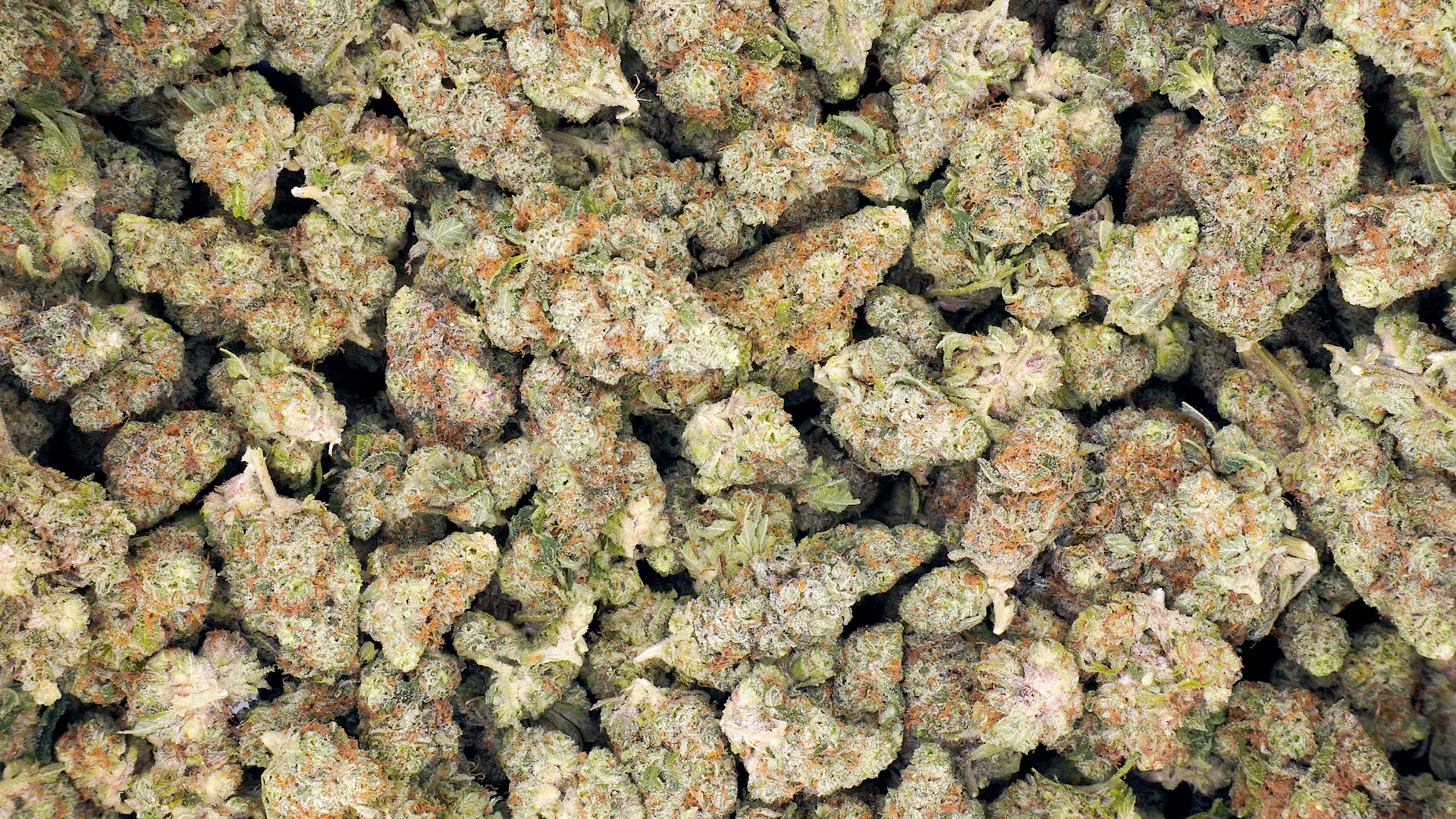
Some terpenes show up again and again in THCA flower and help define a strain’s character. Myrcene gives earthy, herbal notes and is often linked to body sensations. Limonene smells citrusy and is associated with cerebral effects. Pinene brings pine-like freshness and may contribute to alertness, while caryophyllene - unique among terpenes - can interact with CB2 receptors.
Other notable terpenes include Linalool, known for its floral and lavender notes and body effects, and Humulene, which contributes hoppy, woody aromas.
Strain-to-strain variation in terpene mix and concentration is why two buds with the same THCA percentage can be experienced differently.
How Does the Entourage Effect Enhance the THCA Flower Experience?
The entourage effect describes how cannabinoids and terpenes interact to produce a combined effect that can differ from any single compound alone.
In practical terms, a full-spectrum approach - where THCA and the plant’s terpene profile remain intact - often delivers a more nuanced, balanced result than an isolated compound. This synergy is what many connoisseurs seek, as it provides a richer, more complex, and often more effective experience.
What is the entourage effect and its synergy between terpenes and cannabinoids?
The entourage effect suggests that cannabinoids and terpenes work together to shape the final experience. For instance, certain terpenes may influence the overall experience, and some can change how cannabinoids are absorbed or metabolized.
Proposed mechanisms include terpenes modulating cannabinoid receptor activity, influencing the permeability of the blood-brain barrier, or even inhibiting enzymes that break down cannabinoids.
That interplay is a key reason many consumers prefer whole-plant or full-spectrum products over single-compound isolates, believing the sum is greater than its parts.
How do terpenes modulate the effects beyond THCA percentage?
Terpenes influence how THCA and other cannabinoids translate into sensations. Myrcene can contribute to a profound experience, while limonene may add an invigorating characteristic.
Because of these interactions, two samples with identical THCA readings can produce distinct outcomes if their terpene profiles differ - so both numbers matter significantly for predicting the user's experience.
What Grower Methods Preserve Terpenes in THCA Flower?
Keeping terpenes intact starts in the grow room and continues through harvest and storage. Thoughtful genetics, environmental control and careful post-harvest handling all help preserve the aromatic and distinctive qualities consumers expect.
These practices are crucial for delivering a premium product that lives up to its genetic potential.
Which cultivation and genetics strategies maximize terpene content?
Begin with genetics: choose strains known for strong terpene expression through careful pheno-hunting and selective breeding. Then dial in environmental factors - light spectrum and intensity (including UV-B exposure), stable temperatures and humidity (maintaining optimal Vapor Pressure Deficit or VPD) - since these cues influence terpene biosynthesis.
Practices like low-stress training (LST), proper nutrient timing (avoiding over-fertilization, especially late in flower), and avoiding plant stress late in flower also support richer terpene production.
Some growers even experiment with specific organic amendments to encourage terpene development.
How do drying, curing, and storage techniques protect terpene integrity?
Post-harvest care is critical. Slow, controlled drying preserves volatile terpenes and reduces harshness.
Ideal drying conditions typically involve temperatures around 60-70°F (15-21°C) and relative humidity of 55-65% for 7-14 days. A measured curing period, often in airtight containers with regular "burping" develops fuller flavors and aromas by allowing chlorophyll to break down and moisture to equalize.
For storage, keep flower in airtight, opaque containers (like glass jars or vacuum-sealed bags), in a cool and dark environment - heat, oxygen and light accelerate terpene loss and degrade quality over time.
Maintaining these conditions can extend the shelf life and preserve the nuanced profile of THCA flower for months.
How to Read Terpene Profiles and Lab Reports for THCA Flower Quality?
Lab reports and terpene charts give you a snapshot of what to expect from a batch. Learn the common terpene names and relative percentages, as that context helps you match a product to the effects or flavors you want.
Understanding these reports empowers you to make informed decisions beyond just the headline THCA percentage.
What terpene information is included in THCA flower lab results?
Typical lab reports list dominant terpenes and their concentrations, usually as percentages of total weight or of the measured volatile fraction.
They’ll also show cannabinoid breakdowns, so you can compare THCA numbers against terpene makeup to predict a strain’s likely profile. Beyond the top 3-5 terpenes, look for total terpene content, which indicates the overall richness.
Some reports may also include minor terpenes, which, even in small amounts, can contribute to the complexity of the entourage effect. A comprehensive report provides a chemical fingerprint of the product.
How to identify quality terpene-rich THCA flower by aroma and appearance?
Look for buds with visible trichomes (often appearing as frosty crystals), vibrant color, and a slightly sticky feel - signs of fresh resin and terpenes.
Aroma is a direct clue: a bright, distinct, and complex scent usually means a pronounced terpene profile. Well-cured flower should smell lively rather than flat, grassy, or hay-like. Avoid any smells of ammonia or mold, which indicate improper curing or storage.
Excessive dryness, a weak aroma, or a crumbly texture often signals significant terpene loss and overall degradation.
Which THCA Flower Strains Are Known for Rich Terpene Profiles?
Some strains consistently deliver memorable terpene signatures, making them reliable picks for specific effects or flavors. Exploring these varieties can help you understand the practical application of terpene knowledge.
What are popular THCA strains with dominant terpenes like Myrcene and Limonene?
Classic examples include Blue Dream and Wonka Candy both frequently high in myrcene and prized for distinctive, sweet profiles often associated with body effects. Sour Diesel is known for limonene-forward citrus notes and an invigorating character.
For pinene dominance, strains like Jack Herer offer a fresh, piney aroma often linked to alertness. Lavender Kush is a good example of a linalool-rich strain, providing floral, soothing notes. OG Kush frequently showcases high levels of caryophyllene, contributing to its spicy, peppery aroma and unique effects.
These strains show how terpene dominance can shape the user experience.
How do terpene profiles influence strain selection for desired effects?
Match terpenes to your goals: choose myrcene-rich varieties for a body-focused experience, limonene-forward choices for an cerebral experience, or pinene-containing strains for a focused experience.
Considering terpene profiles alongside THCA percentages helps you pick flower that better fits your intended outcome.
Why Is Preserving Terpenes Critical for the THCA Flower User Experience?
Terpenes contribute heavily to flavor, aroma and how a product performs. When they’re gone or degraded, the product rarely lives up to expectations - even if the THCA number looks good on paper.
This degradation not only diminishes the sensory pleasure but also impacts the overall efficacy and perceived value of the flower.
What happens when terpenes degrade or are lost in THCA flower?
Terpene loss flattens flavor and aroma and can reduce the distinctive effects associated with a strain.
Degraded terpenes also diminish potential synergistic benefits, leaving a product that feels less complete and, often, less effective.
Furthermore, terpene degradation can lead to the formation of undesirable compounds, contributing to a harsher smoke or vapor and off-flavors (e.g., hay-like or chemical notes). This loss fundamentally alters the intended "signature" experience of a particular strain.
How does terpene preservation affect consumer satisfaction and potency perception?
A rich, well-preserved terpene profile boosts enjoyment and can make a product feel more potent and satisfying. The full spectrum of aromas and flavors enhances the overall sensory experience, contributing to a sense of quality and craftsmanship.
Conversely, terpene-poor flower often reads as weaker in practice, even when THCA levels are high, leading to consumer disappointment and a perception of lower value.
For many consumers, terpene care is a reliable proxy for overall quality and a key factor in repeat purchases and brand loyalty.
The Future of Terpene Research and Product Development
As scientific understanding of flower deepens, terpenes are moving from a secondary consideration to a primary focus in research and product innovation. This shift promises a new era of personalized and precise cannabis experiences.
Advancements in Terpene Science and Personalization
Ongoing research is meticulously mapping the specific interactions between individual terpenes, cannabinoids, and the human endocannabinoid system. The goal is to move beyond anecdotal evidence to scientifically validated formulations
This deeper understanding will pave the way for highly personalized flower products, where consumers can select strains or formulations precisely engineered to deliver desired effects based on their unique physiology and preferences.
The Rise of Terpene-Infused Products and Targeted Formulations
The market is already seeing a surge in terpene-infused products, from concentrates and edibles like gummies, to topicals and beverages. These products often reintroduce specific terpene blends to enhance flavor, aroma, and effect, or to mimic the profile of popular strains.
Future developments will likely include more sophisticated targeted formulations, where specific terpenes are combined with cannabinoids in precise ratios to achieve very particular outcomes, offering consumers unprecedented control over their cannabis experience.
his focus on terpenes is transforming how cannabis products are developed, marketed, and consumed.
Thoughtful Cultivation Matters
THCA percentage tells part of the story, but terpenes complete it. These aromatic compounds shape flavor, aroma and how a product is experienced - and thoughtful cultivation, handling and storage protect them.
Prioritize flower that shows attention to terpene integrity and you’ll likely enjoy a more satisfying, reliable experience.
Frequently Asked Questions
How can I enhance the terpene profile of my homegrown cannabis?
Start with terpene-forward genetics, then optimize your grow environment: proper light (including UV-B), stable temps and humidity, and gentle training techniques help. Avoid late-stage stress and overfeeding, and pay careful attention to drying and curing - those steps preserve volatile terpenes and bring out complex aromas. Consider organic growing methods, which some believe enhance terpene production.
What is the role of terpenes in the cannabis market?
Terpenes shape buyer preference and product differentiation. As consumers learn more, they seek strains and products that advertise terpene content or specific sensory profiles. The market has responded with terpene-forward oils, concentrates and curated flower - all aimed at delivering consistent, targeted experiences. Terpenes are increasingly a key marketing point and a driver of premium pricing.
Can terpenes affect the shelf life of cannabis products?
Yes. Terpenes are volatile and sensitive to heat, light and oxygen, so improper storage accelerates their loss and shortens product freshness. Storing flower in airtight, light-blocking containers at cool temperatures helps preserve both terpene integrity and overall quality. Their degradation can also lead to a less pleasant aroma and flavor over time.
How do terpenes interact with other substances in flower?
Terpenes interact with cannabinoids and other phytochemicals to create complex effects - that’s the essence of the entourage effect. Some terpenes influence cannabinoid absorption and metabolism, while others shape sensory perception. Together, they determine much of what users actually experience, creating a synergistic effect that is greater than the sum of its individual parts.
Are synthetic terpenes safe to consume?
Synthetic terpenes are chemically identical to natural ones, but their safety depends on their purity and the manufacturing process. Reputable manufacturers ensure high purity, and it's crucial to choose products from trusted brands that provide third-party lab testing to verify the safety and composition of their terpene blends.