
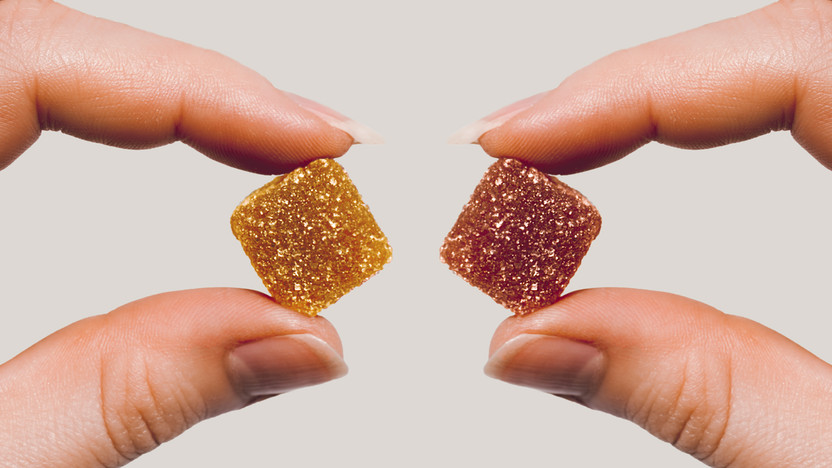
Delta-8 THC vs. Delta-9 THC: How Do They Compare?
7th Feb 2023
Delta-9 tetrahydrocannabinol (Delta-9 THC) is one of the naturally occurring cannabinoids found in cannabis and hemp plants. Delta-8 THC is a related cannabinoid that occurs naturally in much smaller amounts and is often produced through hemp-derived cannabinoid conversion processes.
Because these cannabinoids share similar molecular structures, they may interact with the body in comparable ways. However, there are important distinctions between Delta-8 THC and Delta-9 THC, including differences in potency, product formulation, availability, and regulatory treatment under state and federal laws.
Production Process
Delta-9 THC is the most commonly found cannabinoid in cannabis plants, while Delta-8 THC is found in lower concentrations. Delta-9 THC is more cost-effectively extracted from cannabis biomass due to its high concentration, while Delta-8 THC requires a more time-consuming and labor-intensive process of converting CBD isolate from hemp biomass into Delta-8 THC. Both Delta-8 THC and Delta-9 THC can be used to create a variety of infused products such as edibles, extracts, vape cartridges, tinctures, topicals, capsules, and transdermal patches.
Are They Legal?
Delta-8 THC has gained popularity among cannabis consumers who lack legal access to Delta-9 THC. On the federal level, Delta-9 THC is classified as a Schedule I controlled substance, meaning it’s considered to have a high risk for abuse and no medicinal benefits. Delta-8 THC products are considered legal if it contains less than 0.3% Delta-9 THC, but the DEA considers it illegal if it is produced artificially from non-cannabis sources. Different states have different laws regarding Delta-8 products, and some states have completely banned them. As a result, processors need to be mindful of federal regulations in order to stay compliant.
Effects
Many consumers describe Delta-8 THC products as having a milder cannabinoid profile compared to traditional Delta-9 THC products. Because of this, Delta-8 THC has become increasingly common in hemp-derived product formulations available in certain markets.
Both Delta-8 THC and Delta-9 THC interact with the body’s endocannabinoid system, including CB1 and CB2 receptors. However, their molecular differences may influence how strongly they interact with these receptors and how consumers subjectively describe their overall experience.
Consumers should also be aware that products containing hemp-derived cannabinoids may produce side effects in some individuals. Similar side effects can occur with both, including dry mouth, red eyes, fast heart rate, drowsiness, short-term memory loss, and coordination issues.
Dosage
The recommended dose of Delta-8 and Delta-9 THC products varies from person to person. Due to its milder potency, Delta-8 products are generally sold at a higher dose than Delta-9 products, sometimes 2 to 3 times stronger. It is crucial to consider the potency of the product before taking a large amount. Novice users should start with a low dose and slowly increase to their desired outcome.