
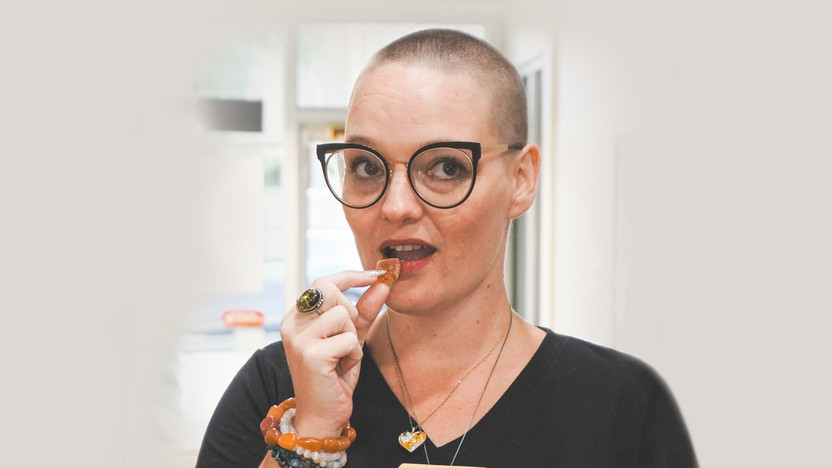
Edibles vs Topicals: Different Ways to Use Cannabinoids
13th Apr 2026
Cannabinoids have gained significant attention for their distinct profiles and diverse formats, particularly in the form of edibles like gummies, and topicals. This guide explores the differences between these two methods of cannabinoid application, helping you understand their unique characteristics.
By delving into the biological pathways of the endocannabinoid system (ECS) and the specific utility of both edibles and topicals, we aim to provide a comprehensive resource for those seeking a plant-forward addition to their routine. Whether you are looking for a systemic experience or a targeted application, understanding these methods ensures you can choose the right format for your goals.
Key Takeaways
- Onset and Duration: Edibles offer a delayed onset with long-lasting presence, while topicals provide a localized experience without systemic absorption.
- Metabolic Pathway: Edibles are processed through the digestive system and liver; topicals interact directly with receptors in the skin and underlying tissues.
- Format Utility: Edibles are often selected for full-body experiences; topicals are preferred for targeted application to specific areas like joints or muscles.
- Precision Dosing: Vegan gummies and capsules provide pre-measured servings for consistency, whereas topicals allow for tactile, as-needed application.
- Quality Standards: All premium products, from THC gummies to cannabinoid balms, should be backed by third-party lab testing to ensure purity and potency.
What Are Cannabinoids and How Do They Interact With the Body?
Cannabinoids are chemical compounds found in the hemp plant that interact with the body's endocannabinoid system (ECS). The ECS is a complex cell-signaling network that helps maintain internal balance by regulating various physiological processes.
The system consists of two primary types of receptors: CB1 receptors, predominantly in the central nervous system, and CB2 receptors, found in the peripheral nervous system and immune cells. When cannabinoids like CBD or THCA enter the body, they interact with these receptors to modulate different functions.
The experience depends heavily on the method of delivery. This determines whether the cannabinoids are distributed throughout the entire body via the bloodstream or applied to a specific exterior point for targeted interaction.
How Do Edibles Work? The Digestive Journey
Edibles are food products, such as vegan THC gummies or chocolates, infused with specific cannabinoid profiles. Unlike inhalation, which enters the bloodstream via the lungs, edibles must pass through the digestive tract.
During the metabolic process, cannabinoids are processed by the liver before entering the general circulation. Specifically, Delta-9 THC is converted into 11-hydroxy-THC, a compound known for its robust and sustained profile.
Because of this mandatory "liver pass," edibles have a delayed onset. It typically takes 45 to 90 minutes to feel the initial effects, which peak several hours later.
The benefit of this slow release is longevity; the experience can last anywhere from 6 to 10 hours. This makes edibles a popular choice for those seeking a consistent baseline throughout the day or evening.
How Do Topicals Work? Targeted External Application
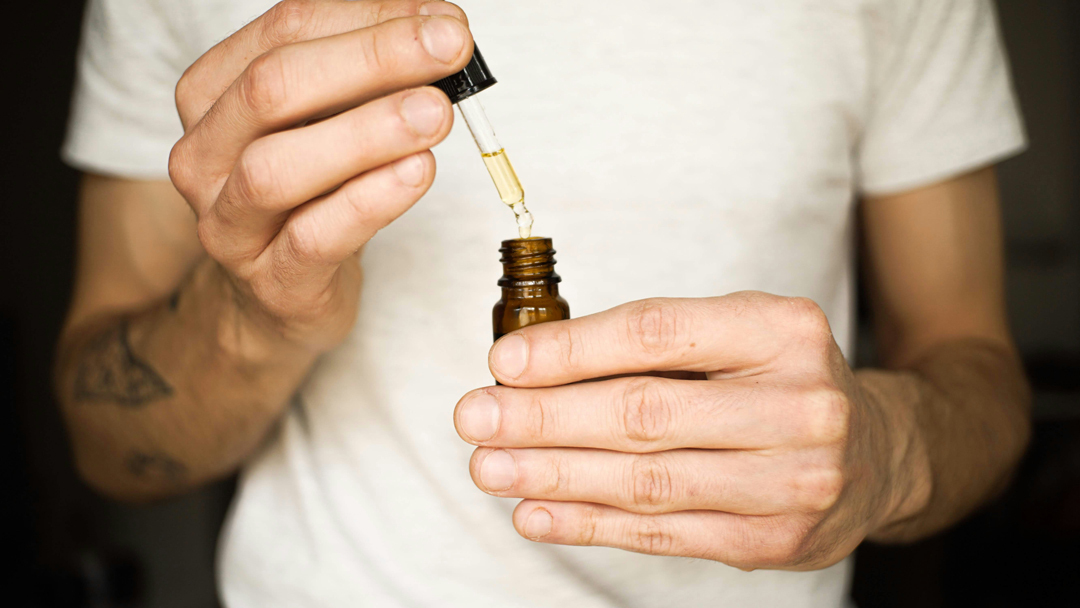
Topicals are cannabinoid-infused products designed for external use, such as creams, balms, salves, and lotions. These products are applied directly to the skin to address a specific area of interest.
Unlike edibles, most topicals do not enter the bloodstream in significant amounts. Instead, they penetrate the skin's layers to interact with the cannabinoid receptors located in the skin cells, muscles, and joints.
This localized approach allows the cannabinoids to work exactly where they are applied without affecting the rest of the body. It bypasses the systemic experience or "head-heavy" feeling often associated with ingestion.
This makes them an excellent option for those who want to utilize cannabinoids during the workday or while staying physically active without altering their mental state.
Choosing the Right Method for Your Routine
The choice between edibles and topicals depends largely on your specific goals and environmental needs. Edibles are ideal for those seeking a full-body presence that spans several hours or when a pre-measured serving size is required for tracking.
They are also a preferred evening support for those who enjoy a long-lasting routine that carries through the night. Conversely, topicals are better suited for targeted application, such as focusing on a specific joint or muscle group.
Topicals offer discretion and function for use in professional or active settings where systemic effects are not desired. Many users also enjoy the ease of use provided by a tactile, as-needed application directly to the skin.
Ultimately, your choice should reflect whether you want to influence your overall internal balance or provide support to a specific external area.
Quality and Safety: The Importance of Lab Testing
Whether you are choosing full-spectrum gummies or a CBD-infused balm, the quality of the raw hemp is paramount. At Hemp Generation, we prioritize transparency through rigorous local third-party lab testing.
Every product batch is screened for potency to verify the exact milligram count of cannabinoids. We also test for purity to ensure the absence of heavy metals, pesticides, and residual solvents.
We further confirm that every product is free from microbial contaminants to ensure safety. Maintaining these high standards protects the integrity of the plant's natural chemistry.
By reviewing the Certificate of Analysis (COA) for your products, you can ensure you are receiving a clean, accurately represented botanical experience every time.
Frequently Asked Questions
Can I use edibles and topicals at the same time?
Yes. Many users find that using a topical for a specific area while consuming an edible for a systemic baseline provides a more complete experience. Because topicals do not enter the bloodstream, they do not "stack" in the same way two different edibles would.
How long do the effects of a topical last?
The duration of a topical's presence can vary, but most users report a localized sensation for 2 to 4 hours. You can typically reapply topicals as needed throughout the day.
Why do edibles take so much longer to work than flower?
Flower enters the bloodstream almost instantly via the lungs. Edibles must be broken down in the stomach and processed by the liver, which acts as a slow-release filter, delaying the onset but extending the duration.
Will a topical product show up on a drug test?
In most cases, no. Standard drug tests look for THC metabolites in the blood or urine. Because the cannabinoids in topicals generally stay localized and do not enter the bloodstream, they are unlikely to trigger a positive result. However, users should always use caution with products containing Delta-9 THC.
How should I store my edibles to keep them fresh?
Edibles should be stored in a cool, dark place in their original airtight packaging. Keeping them away from heat and direct sunlight prevents the cannabinoids from degrading and preserves the texture of the product.