
Is THCA Synthetic Or Natural?
15th Feb 2025
THCa, a naturally occurring compound found in cannabis, has become a point of interest for hemp enthusiasts. As more people explore the world of cannabinoids, questions arise about the nature of THCa: Is it synthetic or natural? Is THCa natural or synthetic, and how does it form within the plant?
THCa is a naturally occurring cannabinoid found in cannabis plants. It is produced by the plant itself as part of its normal growth process and requires no human intervention to form. Because of this, THCa is considered a natural compound rather than a synthetic one.
This article will break down how THCa forms naturally, its transformation into THC, and why high-THCa flower provides the same experience as traditional cannabis once consumed.
The Natural Process Behind THCa
THCa is created within the cannabis plant through a biological process that begins with a precursor compound called CBGa (cannabigerolic acid). Often referred to as the “mother cannabinoid,” CBGa is converted by plant enzymes into different cannabinoids, including THCa and CBDa, depending on the plant’s genetics.
As the plant matures, THCa accumulates primarily in the trichomes, which are the resin-producing structures on the flower. These trichomes are responsible for much of the plant’s cannabinoid and terpene content. This means it does not produce the intoxicating effects associated with THC unless it undergoes a process called decarboxylation.
How Is THCa Created in the Cannabis Plant?
The process of creating THCa begins in the roots and stems of the cannabis plant. It starts with the synthesis of olivetolic acid. Through several steps, this turns into CBGa, which then forms either THCa or CBDa. In hemp plants, the focus is on CBDa, while marijuana plants typically have higher levels of THCa.
The natural synthesis of THCa is a vital part of the plant’s growth cycle. Interestingly, this process also involves necrosis, or the natural death of cells, which is important for plant health. By removing damaged cells, the plant can continue growing strong, focusing its energy on cannabinoid production.
Decarboxylation: The Transformation from THCa to THC
When THCa is exposed to heat, a chemical reaction called decarboxylation occurs. This reaction removes the acidic carboxyl group from THCa, turning it into delta 9 THC. This process happens when cannabis is smoked or vaporized, but it can also occur slowly over time with exposure to air, light, and heat during storage.
Only when heated does THCa convert into THC, activating the cannabinoid receptors responsible for the intoxicating effects.
What Is High THCa Hemp Flower?
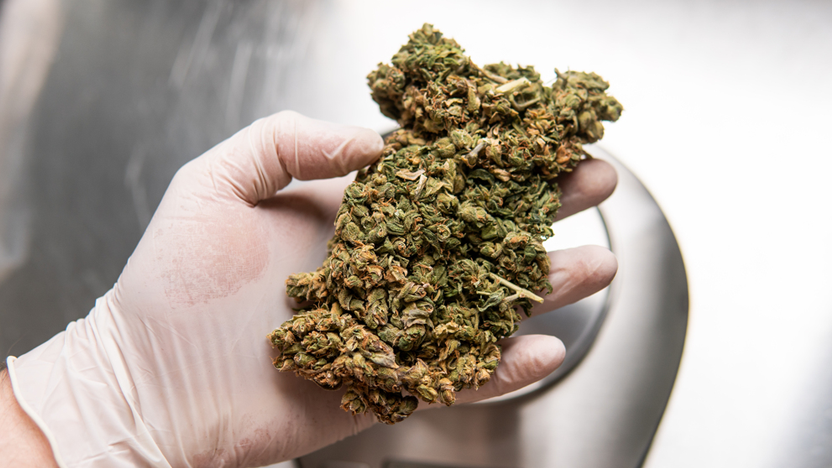
High THCa hemp flower is a popular alternative to marijuana flower, offering a legal, low-THC option for those seeking the benefits of THCa. While marijuana plants naturally contain higher levels of THCa, certain hemp strains have been bred to retain high levels of THCa without converting into delta 9 THC before harvest. These strains remain classified as hemp because they contain less than 0.3% delta 9 THC, making them legal under federal law.
THCa naturally converts to THC when smoked, vaped, or heated. While its classification may differ due to legal regulations, THCA flower provides the same experience as THC-rich cannabis.
How Hemp Generation Can Help You Explore High-Quality THCa Products
At Hemp Generation, we are committed to offering high-quality, natural products, including our premium high THCa flower. We focus on transparency and accuracy, ensuring that our products meet the highest standards of quality.
All of our products are third-party tested, and we prioritize educating our customers so they can make informed decisions based on their unique needs. If you are new to THCa or experienced in cannabinoid products, we are here to guide you on your wellness journey.