
Maximizing Cannabinoid Product Shelf Life: Essential CBD Product Storage Guide and Preservation Techniques
20th Apr 2026
Maximizing the shelf life of cannabinoid products is crucial for maintaining their potency and effectiveness. This guide explores essential storage techniques and preservation methods that can significantly extend the lifespan of products like THCA flower, tinctures, and edibles.
Understanding how to properly store these products not only ensures their quality but also enhances the overall experience. This article delves into the key factors affecting cannabinoid stability, optimal storage conditions, best practices for various product types, and signs of degradation.
Key Takeaways
- Environmental Enemies: Light, heat, oxygen, and humidity are the primary drivers of cannabinoid degradation.
- Optimal Temperature: Most CBD products should be stored between 60°F and 70°F (15°C to 21°C).
- Shelf Life Averages: Properly stored oils and tinctures typically last 12–24 months, while edibles may have shorter lifespans due to perishable ingredients.
- Signs of Aging: Discoloration, rancid smells, and changes in texture are clear indicators that a product has reached the end of its peak quality.
- Packaging Integrity: Airtight seals and UV-blocking glass are non-negotiable for long-term preservation of potency.
What Are the Key Factors Causing Cannabinoid Degradation?
Cannabinoid degradation is a natural chemical process influenced by several environmental factors. When cannabinoids are exposed to light, particularly ultraviolet (UV) rays, the molecules begin to break down, resulting in a measurable loss of potency over time.
Heat acts as a catalyst, accelerating the chemical reactions that cause cannabinoids to decarboxylate and further decompose. Even storage in a room that regularly experiences heat spikes, like a kitchen or a sun-drenched windowsill, can significantly shorten a product's lifespan.
Oxygen exposure triggers oxidation, which alters the chemical structure of compounds like THC and CBD. This process often converts active cannabinoids into less potent versions, such as the conversion of THC into CBN (cannabinol), which is often associated with more sedative properties.
Humidity levels also play a critical role in preservation. Excessive moisture creates a breeding ground for mold and bacteria, particularly in flower or edibles. Conversely, environments that are too dry can cause products to become brittle and lose their aromatic terpene profiles.
Optimizing Storage Conditions to Extend Shelf Life
Optimizing storage conditions is the most effective way to protect your investment. The ideal temperature for storing most CBD products is a stable, room-temperature environment between 60°F and 70°F (15°C to 21°C).
Consistency is key; frequent temperature fluctuations, such as moving a bottle from a cold refrigerator to a hot car, can cause condensation to form inside the packaging. This moisture can lead to microbial growth or cause oils to separate and thicken.
Airtight packaging is essential for minimizing oxygen contact, which prevents the degradation caused by oxidation. Dark, amber, or opaque glass containers are preferred over clear plastic, as they block the specific wavelengths of light that cause chemical breakdown.
For those living in extremely hot or humid climates, using a dedicated storage drawer or a cool pantry is highly recommended. Some users choose refrigeration to extend the life of THCA bulk flower or oils, though it is important to allow the product to reach room temperature before use to ensure proper viscosity.
Best Practices for Storing Different Product Types
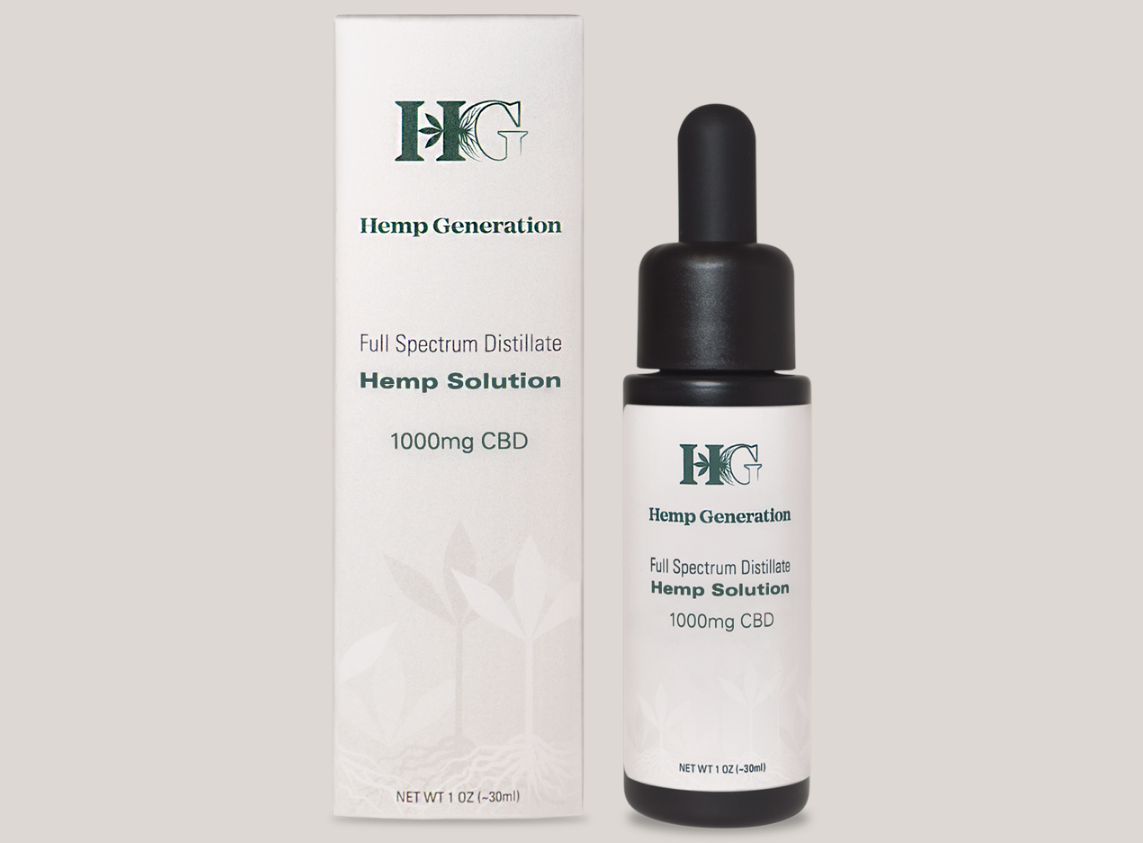
Different formats of cannabinoids require specific care to maintain their unique properties. CBD oils and tinctures should always be stored in their original UV-protective glass bottles with the dropper caps screwed on tightly after every single use.
Keeping these bottles in a dark cabinet away from the stove or windows ensures the carrier oils do not become rancid. Rancid carrier oils, like MCT or hemp seed oil, will develop a sour smell and a bitter taste that makes the product unpleasant to use.
Edibles, particularly vegan gummies, should be kept in airtight containers to prevent them from drying out or absorbing moisture from the air. High humidity can make gummies sticky, while exposure to air can cause them to harden over time.
Hemp flower and concentrates require the most precision. Flower should be kept in airtight glass jars with a relative humidity level between 55% and 62%. Many enthusiasts use humidity control packs to maintain this delicate balance, which prevents the trichomes from becoming brittle.
Identifying Signs of Degraded or Expired Products
Recognizing when a product is past its prime is essential for ensuring you receive the intended benefits. Visual cues are often the first sign of trouble; for example, a fresh CBD oil is typically golden or light brown, but an expired one may turn dark brown or murky.
Changes in texture can also indicate degradation. If an oil becomes excessively thick or begins to separate, the compounds may have broken down. For edibles, the appearance of mold or a "sweating" texture on the surface of gummies is a clear signal to dispose of the product.
Olfactory cues, such as a pungent, sour, or "rotten" smell, are strong indicators that the carrier oils or other ingredients have gone bad. While using expired CBD is generally not harmful, it will likely be far less effective than a fresh batch.
It is also important to distinguish between "Best-By" and "Expiration" dates. A Best-By date suggests when the product is at its peak flavor and potency, whereas an Expiration date indicates the point at which the product should no longer be used for quality or safety reasons.
How Hemp Generation Ensures Lasting Freshness
At Hemp Generation, we prioritize product stability from the moment of manufacture. We use advanced packaging solutions, such as UV-blocking violet glass and vacuum-sealed bags, to create a protective barrier against the enemies of potency.
Our commitment to quality includes rigorous third-party lab testing, which verifies the cannabinoid profile of every batch. These tests ensure that the potency labeled on the bottle is the potency you receive, with no premature degradation occurring during the supply chain.
By utilizing high-quality extraction methods like CO2 extraction, we produce purer oils that naturally have a longer shelf life compared to those made with harsher solvents. This purity ensures the compounds remain stable and effective for up to two years under proper care.
We also educate our community on the importance of proper handling. By providing clear storage instructions and using airtight, tamper-evident seals, we ensure that every product arrives at your door in its most potent and effective state.
Frequently Asked Questions
Does CBD oil need to be refrigerated?
Refrigeration is not strictly necessary for most users, but it can be beneficial for long-term storage or for those living in very hot climates. If you do choose to refrigerate your oil, be aware that it may thicken; simply let it sit at room temperature for a few minutes before use.
How long does hemp flower stay fresh in a glass jar?
If stored in an airtight glass jar in a cool, dark place with proper humidity control, hemp flower can stay fresh for about a year. After this point, the THC may begin to convert into CBN, and the terpene profile will likely diminish, affecting the aroma and flavor.
Can light really ruin my CBD gummies?
Yes. Cannabinoids are photosensitive, meaning they absorb UV photons which break down their molecular structure. Leaving a clear jar of gummies in direct sunlight can lead to a significant loss of potency in a surprisingly short amount of time.
What happens if I use CBD oil after its expiration date?
Using expired CBD oil is generally not dangerous, but it will likely have lost its potency. You may find that you need a higher dose to achieve the same results, or you may not feel the effects at all due to the degradation of the active compounds.
Why does my CBD oil look cloudy?
Cloudiness can be a sign of cold temperatures (like in a fridge) or moisture contamination. If the oil is cold, it should clear up as it warms. However, if it remains cloudy at room temperature and has an off smell, it may have expired or been contaminated.