
What Is THCV? A Plain-English Guide to This Unique Cannabinoid
9th Jul 2026
If you've been exploring the world of hemp-derived cannabinoids, you've probably come across the usual names - THC, CBD, maybe even THCA. But there's one compound that's been generating serious buzz lately: THCV.
Short for tetrahydrocannabivarin, THCV is a naturally occurring cannabinoid with a profile that sets it apart from nearly everything else in the cannabis plant. Whether you're eyeing a THCV tincture for the first time or you've heard the name tossed around and want the full picture, this guide breaks it all down.
Despite being present in cannabis for as long as the plant has existed, THCV has only recently moved into the spotlight as consumers look beyond the "big two" cannabinoids. The problem? Most of the information out there is either overly technical, loaded with jargon, or buried in scientific papers that don't speak to everyday consumers.
That's exactly why we put this guide together. Below, you'll learn what THCV actually is, how it compares to cannabinoids like THC and THCA, where it comes from, and what to look for when shopping for THCV products like tinctures and oils.
Key Takeaways
- THCV (tetrahydrocannabivarin) is a naturally occurring cannabinoid found in the cannabis plant, distinct from both THC and CBD.
- Its molecular structure features a shorter side chain than THC, which gives it a unique interaction with the body's cannabinoid receptors.
- THCV is most commonly found in African sativa landrace strains like Durban Poison and is considered a rare cannabinoid.
- Hemp-derived THCV products, including tinctures and oils, are available under the 2018 Farm Bill when they contain no more than 0.3% Delta-9 THC.
- Third-party lab testing and Certificates of Analysis (COAs) are the most reliable way to verify THCV content and product quality.
What Exactly Is THCV?
THCV, or tetrahydrocannabivarin, is one of over 100 cannabinoids identified in the cannabis plant. While it shares part of its name with THC (tetrahydrocannabinol), the two compounds are chemically and functionally distinct. The key difference sits at the molecular level: THCV has a propyl (3-carbon) side chain, while THC has a pentyl (5-carbon) side chain. That shorter tail changes how THCV interacts with the body's endocannabinoid system, particularly the CB1 and CB2 receptors.
In practical terms, THCV is classified as a "minor cannabinoid" because it appears in much smaller concentrations than THC or CBD in most cannabis varieties. That rarity is part of what makes it so interesting to consumers and product formulators alike - and why dedicated THCV products have become increasingly popular.
How Does THCV Compare to THC and THCA?
One of the biggest misconceptions about THCV is that it's just another version of THC. It's not. While the names are similar, the compounds behave differently at the receptor level, and the consumer experience reflects that.
THCV vs. THC: THC (specifically Delta-9 THC) is the primary psychoactive compound in cannabis and is well-known for producing intoxicating effects. THCV, on the other hand, interacts with the CB1 receptor differently depending on the amount consumed.
At lower concentrations, THCV acts as an antagonist at the CB1 receptor - essentially the opposite of what THC does. At higher concentrations, it can behave more like an agonist, but the overall profile remains distinct from a standard THC experience.
THCV vs. THCA: THCA is the acidic precursor to THC found in raw cannabis flower. When heated (through smoking, vaping, or cooking), THCA converts into THC through a process called decarboxylation. THCV doesn't follow the same conversion pathway - it exists as its own compound and doesn't convert into THC. While THCA flower remains the most popular product category at Hemp Generation, THCV occupies a completely different niche.
Where Does THCV Come From?
Not all cannabis strains produce meaningful amounts of THCV. In fact, most strains contain only trace levels - often below 0.2%. The strains that do produce notable THCV concentrations tend to share a common origin: African sativa landraces.
Durban Poison, a classic landrace strain from South Africa, is one of the most well-known high-THCV varieties, with some phenotypes testing between 3% and 5% THCV. Other African-origin strains like Malawi Gold and Red Congolese also carry higher-than-average THCV levels.
More recently, breeders have developed purpose-bred cultivars like Doug's Varin, which was specifically designed to maximize THCV content and can reach 3–6% THCV-A.
Because THCV occurs in such low natural concentrations, most THCV products on the market - including tinctures and oils - are made using extraction and isolation techniques that concentrate the cannabinoid into a usable form.
THCV Tinctures and Oils: What to Know Before You Buy
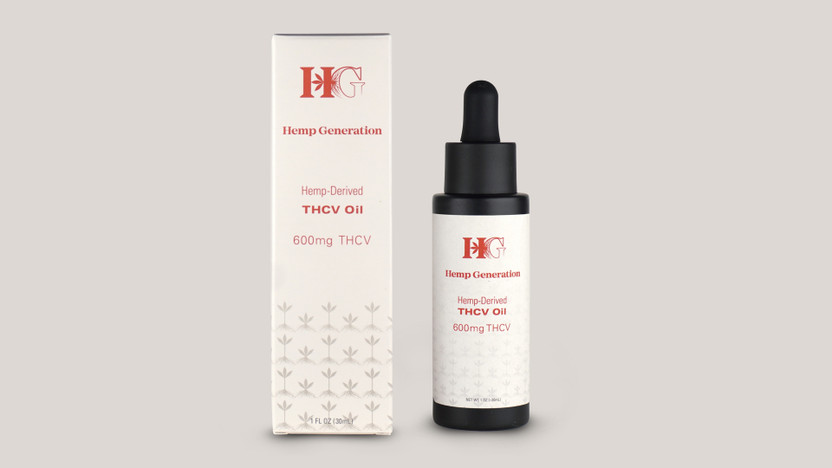
For consumers interested in trying THCV, tinctures and oils are the most accessible product format. A THCV tincture is a liquid extract, typically suspended in a carrier oil like MCT or hemp seed oil, designed for sublingual use (under the tongue). THCV oil follows essentially the same format.
Here's what to consider when shopping for a THCV tincture or THCV oil:
- Cannabinoid content: Look for products that clearly list the THCV concentration per serving and per bottle. Vague labels like "cannabinoid-rich" without specific numbers are a red flag.
- Extraction method: CO2 extraction and ethanol extraction are the most common methods for isolating minor cannabinoids like THCV. Both can produce clean, high-quality extracts when done properly.
- Carrier oil: MCT oil is the most popular carrier for tinctures because of its bioavailability and neutral flavor. Hemp seed oil is another solid option.
- Third-party lab testing: This is non-negotiable. Any reputable THCV product should come with a Certificate of Analysis (COA) from an independent lab confirming the cannabinoid profile and verifying the absence of contaminants like heavy metals, pesticides, and residual solvents. Hemp Generation tests all products at a local DEA-registered lab to ensure the highest standards of credibility and accuracy.
Is THCV Legal?
Under the 2018 Farm Bill, hemp-derived cannabinoids - including THCV - are federally legal in the United States as long as the final product contains no more than 0.3% Delta-9 THC on a dry weight basis. The bill defines hemp broadly to include "all derivatives, extracts, cannabinoids, isomers, acids, salts, and salts of isomers," which covers THCV.
That said, state laws vary. Some states have enacted their own restrictions on certain hemp-derived cannabinoids, so it's always worth checking your local regulations before purchasing. In North Carolina, where Hemp Generation is based, hemp-derived THCV products remain available and legal for adult consumers.
How to Choose a Quality THCV Product
The THCV market is still relatively young compared to CBD or THCA products, which means product quality can vary significantly from brand to brand. Here's a quick checklist for evaluating any THCV tincture or oil:
- Verify the COA. Every batch should have a current, publicly accessible Certificate of Analysis. If a brand can't or won't share lab results, move on.
- Check the source. Hemp-derived THCV from reputable growers using Farm Bill-compliant hemp is the standard you should expect.
- Read the full label. Beyond THCV content, check for additional cannabinoids, carrier oils, and any added ingredients. A clean, simple formulation is usually best.
- Look for transparency. Brands that share details about their sourcing, extraction methods, and testing protocols - like Hemp Generation does - are generally more trustworthy than those that don't.
Ready to Explore THCV for Yourself?
THCV is one of the most distinctive cannabinoids in the hemp plant, and understanding what makes it unique is the first step toward deciding if it belongs in your rotation. From its rare molecular structure to its African sativa origins, THCV stands apart from the more common cannabinoids you'll find on dispensary shelves.
If you're curious about adding a THCV tincture or THCV oil to your collection, Hemp Generation carries lab-tested, Farm Bill-compliant THCV products that meet the same quality standards as everything else in the store. Stop by one of our Triangle-area locations or browse the full selection online - and if you're a first-time customer, sign up for the newsletter to get 10% off your first order.
Frequently Asked Questions
What does THCV stand for?
THCV stands for tetrahydrocannabivarin. It's a naturally occurring cannabinoid found in the cannabis plant that's chemically related to THC but has a distinct molecular structure - specifically, a shorter carbon side chain that changes how it interacts with the body's endocannabinoid receptors.
Is THCV the same as THC?
No. While the names sound similar, THCV and THC are different compounds with different molecular structures and different receptor interactions. THCV has a 3-carbon side chain compared to THC's 5-carbon chain, which gives each compound its own unique profile.
Are THCV tinctures legal?
Hemp-derived THCV tinctures are federally legal under the 2018 Farm Bill, provided the product contains no more than 0.3% Delta-9 THC. State laws can vary, so check your local regulations. In North Carolina, hemp-derived THCV products are legal for adult consumers.
How do I know if a THCV product is high quality?
Look for a current Certificate of Analysis (COA) from a third-party lab, clear labeling of THCV content per serving, and transparency about sourcing and extraction methods. Hemp Generation tests all products at a DEA-registered lab and makes COAs available to customers.
What's the difference between a THCV tincture and THCV oil?
In most cases, the terms are used interchangeably. Both refer to a liquid THCV extract suspended in a carrier oil (like MCT oil) and designed for sublingual use. The key factor isn't the name - it's the cannabinoid concentration, purity, and lab testing behind the product.